Reliable Estate Attorney for Extensive Legal Support
Comprehending the intricacies of legacy planning requires expertise that many people may not possess. A trusted estate lawyer plays an essential function in assuring that individual preferences are formally recorded in law and disputes among heirs are minimized. Their grasp of changing regulations and tax consequences can protect property efficiently. However, understanding the complete range of their offerings and the typical mistakes can greatly impact the planning stage. What problems might occur without adequate direction?
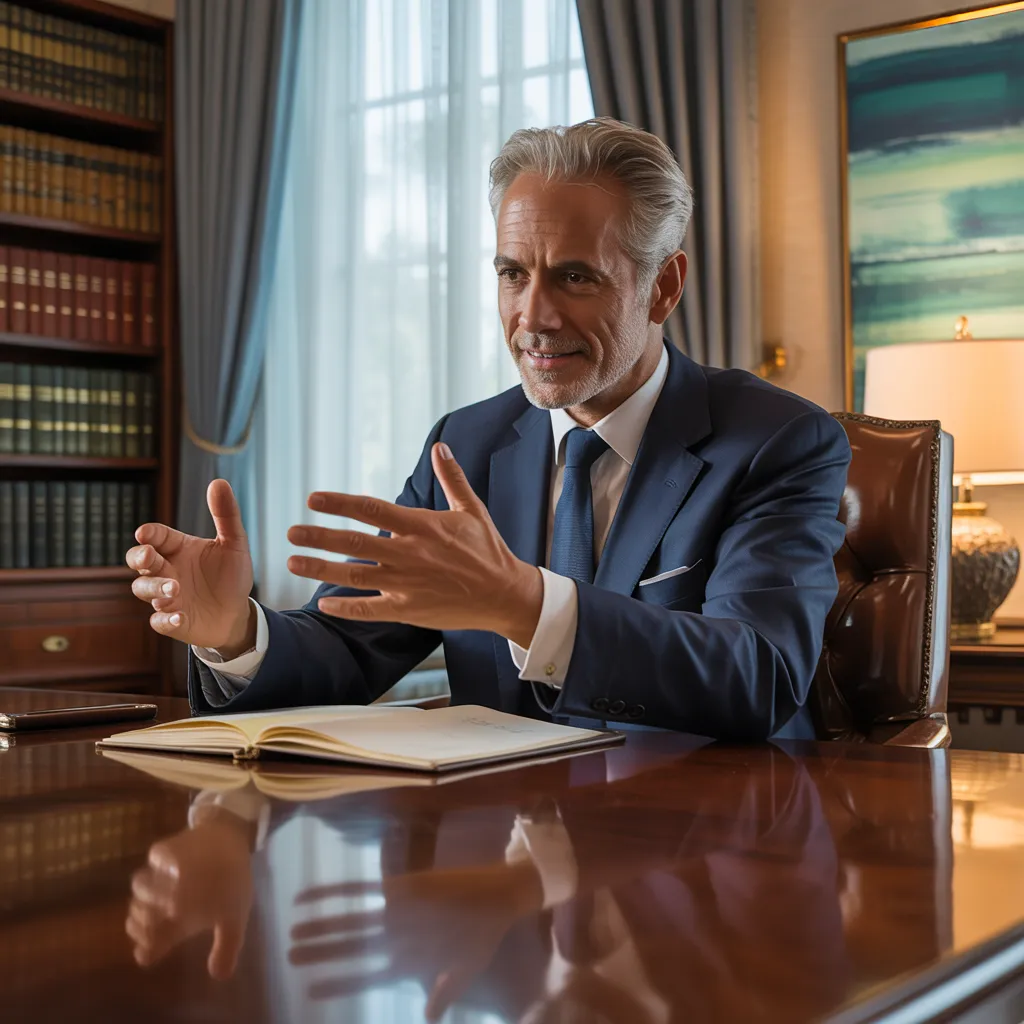
Common Estate Planning Issues You Can't Risk to Overlook
Estate planning presents several problems that people must address to guarantee their preferences are observed and family are protected. One important problem is the lack of understanding regarding the difficulties of estate laws, which can change significantly by region. This often leads to inadequate planning or non-compliance of legal requirements. Additionally, people often encounter challenges with affective obstacles, such as discussing mortality or family dynamics, which can hinder open communication about estate topics.
A common issue involves failing to regularly update property arrangements, which causes obsolete clauses that may not match current circumstances or wishes. Additionally, individuals often downplay the potential tax implications of their properties, producing unexpected financial burdens for beneficiaries. Moreover, numerous people ignore the significance of appointing suitable custodians for family members, which can lead to uncertainty and friction within family units. Managing these challenges is important for effective property management and ensuring peace of mind.
Essential Solutions Delivered by Estate Legal Professionals for Effective Preparation
Estate attorneys deliver a variety of critical offerings that facilitate accomplished estate planning. Key offerings contain will drafting, trust establishment assistance, and advice on estate taxes. These offerings assist individuals handle the complexities of estate management and ensure their wishes are honored.
Will Document Preparation Services
Handling the intricacies of will drafting is a vital step in successful estate management. Estate attorneys provide essential will drafting services that ensure clients' wishes are distinctly articulated and enforceable by law. These experts guide people through the intricate legal requirements, helping to avoid ambiguities that could lead to disputes among beneficiaries. By evaluating specific assets, family dynamics, and personal objectives, estate lawyers craft tailored wills that represent the client's intentions. They also provide insights on potential tax implications and the significance of choosing appropriate executors. With expertise in state laws and regulations, estate attorneys play a vital role in creating thorough wills, ultimately providing reassurance to clients as they secure their legacies and safeguard their loved ones.
Trust Development Guidance
Understanding the intricacies of trust creation is a vital part of complete estate planning. Estate attorneys supply important assistance in setting up various trust types, adapted to fulfill individual person needs. They lead clients through the selection process, making sure the suitable type of trust—such as revocable, irrevocable, or special needs—is chosen dependent on specific goals and circumstances. Additionally, lawyers assist in preparing the trust documents, outlining the terms distinctly to prevent future disputes. They additionally assist in establishing the trust, ensuring assets are transferred correctly to avoid probate complications. By offering specialist knowledge into legal requirements and implications, estate lawyers assume a key role in setting up trusts that shield assets and fulfill the grantor's wishes efficiently.
Estate Tax Assistance
In what ways can clients manage the complications of estate taxes efficiently? Estate attorneys serve a vital role in this procedure, providing customized guidance to reduce tax liabilities and ensure compliance with regulations. They evaluate the client's economic condition, identifying potential tax outcomes of estates and trusts. By monitoring current tax laws, estate attorneys offer planned advice, supporting clients to make knowledgeable decisions regarding asset distribution and charitable contributions. Additionally, they assist with preparing and filing required tax documents, reducing the risk of errors that might lead to penalties. Ultimately, retaining an estate attorney for tax guidance can result in notable savings and peace of mind, helping individuals to concentrate on their legacy instead of tax issues.
Finding the Optimal Estate Attorney
Selecting a appropriate inheritance counsel demands thoughtful assessment of various critical considerations. Future clients should evaluate the attorney's qualifications and experience, examine their communication style, and think about the pricing arrangements. These components prove vital in achieving a productive and positive working relationship.
Evaluate Qualifications And Experience
When looking for an estate attorney, assessing their credentials and background is crucial to guarantee proper legal counsel. Prospective clients should look for lawyers with specialized education in estate law, as well as appropriate credentials. Participation in professional organizations, such as the American Bar Association, can indicate a commitment to ethical standards and ongoing education. Additionally, extensive experience in estate planning and probate issues can offer understanding of an lawyer's qualifications. It is also beneficial to weigh their history with comparable matters, as hands-on experience often leads to superior results. By carefully assessing these elements, individuals can make informed decisions, ensuring they select an attorney able to handle their specific estate planning requirements.
Evaluate communication methods
Effective communication is essential in the lawyer-client partnership, particularly in wealth succession planning. An attorney's ability to convey intricate legal ideas in a clear and comprehensible manner is vital for clients to take well-reasoned decisions. Prospective clients should evaluate whether the attorney carefully listens to their worries and replies with consideration. A communicative lawyer builds confidence and promotes transparent communication, which is key for discussing delicate matters such as assets and family dynamics. Additionally, evaluating the attorney's communication style can reveal their flexibility; whether they favor structured conversations or a less formal style can significantly affect the client's comfort level. Ultimately, selecting an attorney whose manner of communication aligns with the client's needs can enhance the entire planning process and result in better results.
Assess Fee Structures
Understanding the fee structures is necessary for clients seeking an estate attorney, since it directly impacts their overall experience and financial planning. Attorneys may charge fixed fees, hourly rates, or retainers, each with distinct implications. A flat fee offers predictability, go to article enabling clients to budget effectively. In contrast, hourly rates can produce changing charges depending on the case's complexity. Retainers require upfront payments but guarantee prioritized service. Clients should be aware of additional costs such as filing fees and administrative expenses. Transparency in pricing builds trust and assists clients in making well-informed choices. Ultimately, aligning the fee structure with one's personal financial situation and legal needs is essential for a positive attorney-client relationship.
Estate Planning Problems Often Encountered to Bypass
Estate planning represents an vital step in making certain that one's preferences are honored after death, yet many individuals make common mistakes that can compromise their intentions. One typical error is neglecting to update wills and trusts after major life events, such as marriage, divorce, or the birth of a child. Additionally, neglecting to designate beneficiaries on financial accounts can lead to unexpected distributions.
A typical oversight includes overlooking tax effects, which can greatly impact the estate's worth. Others also underrate the importance of encompassing digital properties in their estate plans, leaving behind confusion regarding online accounts.
Furthermore, depending exclusively on DIY documents without professional guidance can result in legal gaps. In conclusion, many individuals neglect to discuss their wishes with loved ones, causing disputes and confusion. Steering clear of these pitfalls is essential for effective estate planning, ensuring that one's legacy is preserved as planned.
Why Scheduled Evaluations With Your Estate Attorney Hold Significance
How can regular assessments with an estate counsel guarantee that a testator's intentions remain aligned with contemporaneous circumstances? Consistent meetings allow individuals to reconsider their estate planning strategies in light of life events, such as matrimonial status change, divorce, the addition of dependents, or shifts in financial status. These changes can greatly impact how wealth should be allocated and who should serve executors or guardians.
In addition, laws and regulations involving estate planning evolve frequently. An lawyer can provide guidance on any regulatory shifts that may influence an person's estate plan. Periodic reviews also offer the chance to discuss tax considerations and approaches for reducing liabilities, making sure that the estate stays optimized for beneficiaries.
In the end, ongoing communication with an estate lawyer encourages a forward-thinking strategy, enabling individuals to adjust their plans effectively and safeguard their objectives, thus confirming that their wishes are honored when the time comes.
What to Expect in Your Initial Meeting With an Estate Attorney
When meeting with an estate attorney for the first time, clients can prepare for a systematic discussion that lays the groundwork for their estate planning needs. The attorney will usually begin by gathering essential information about the client's fiscal standing, family dynamics, and specific goals. This initial assessment aids in recognizing priorities and any potential complexities in the estate plan.
Clients might be prompted about their current wills, trusts, or other legal documents, as well as their choices for asset distribution and guardianship arrangements. The attorney will also explain various estate planning tools, like wills, trusts, and powers of attorney, delivering insight into how each can advance the client's goals.
Finally, customers should prepare for a talk about following actions, including timelines and expenses, making sure they depart the meeting with a comprehensive understanding of the estate planning procedures and what is required ahead.
Commonly Questioned Subjects
How Much Will Employing an Estate Attorney Typically Cost?
Securing an property lawyer ordinarily costs between $150 to $500 per hour, depending on location and experience. Flat fees for specific services may span $1,000 to $3,000, fluctuating according to complexity and client requirements.
May I Prepare My Own Estate Planning Without an Attorney?
Yes, an person can create their own estate plan without an lawyer. However, taking this approach may result in possible issues, misunderstandings, or legal challenges, highlighting the significance of comprehensive understanding and meticulous record-keeping in the process.
Which Files Are Required for My First Consultation?
For the first consultation, one should bring identification, information on assets and debts, existing testaments or trust documents, details of beneficiaries, and any relevant healthcare instructions. This preparation facilitates a comprehensive conversation about estate planning requirements.
How Routine Should My Estate Planning Updates Be?
Estate plans should be updated every three to five years or after major life changes, such as marriage, divorce, birth of a child, or substantial changes in assets, ensuring they represent current wishes and circumstances.
What Takes Place if I Perish Without a Will?
When a individual passes away without a will, state regulations control asset distribution, frequently resulting in probate. This process may lead to unintended beneficiaries, possible conflicts with family members, and delays in finalizing the estate of the departed.